Role: Senior Site Engineer | Duration: Jul 2024 – Present
Program Value: SAR 1.2B (overall program)
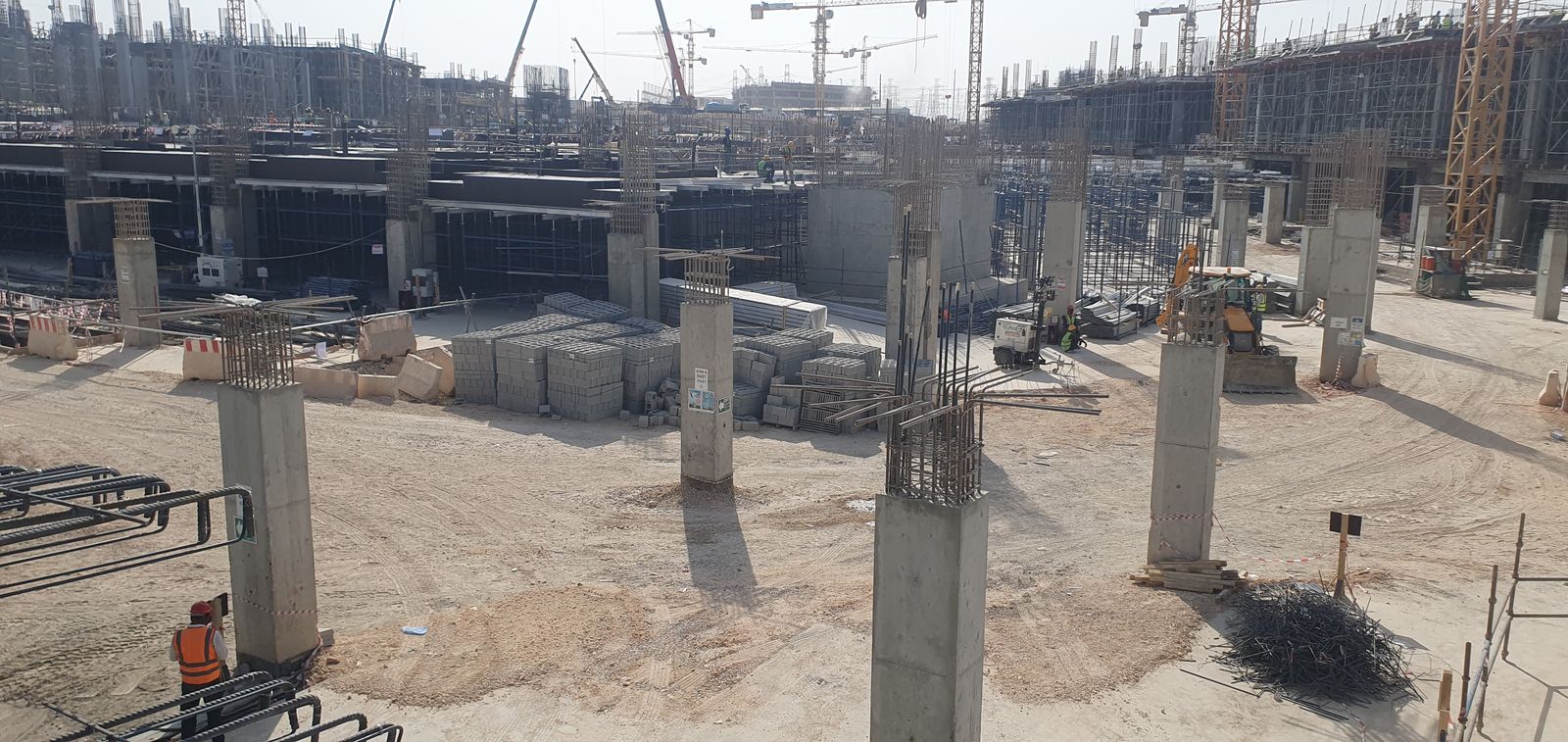
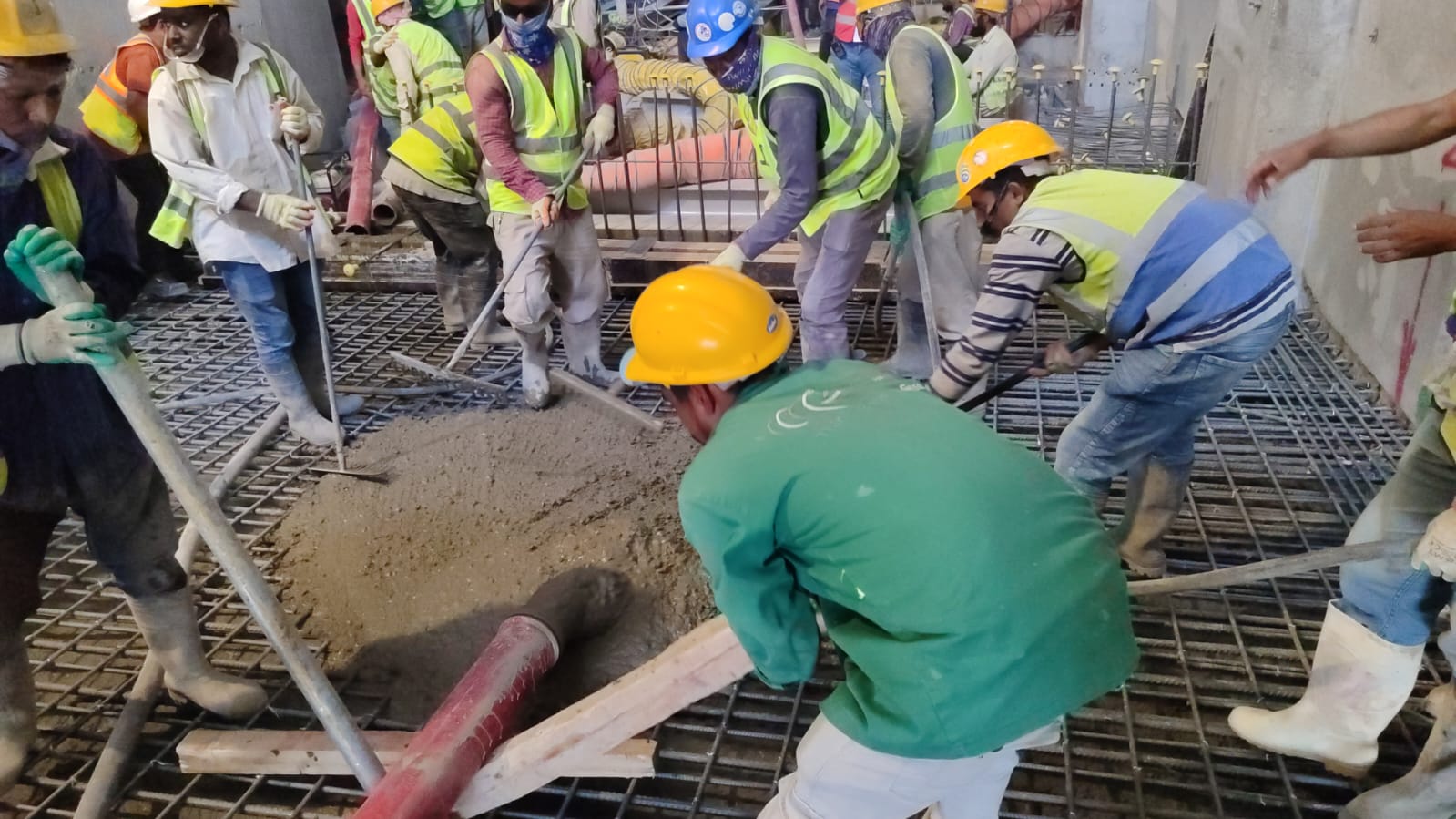
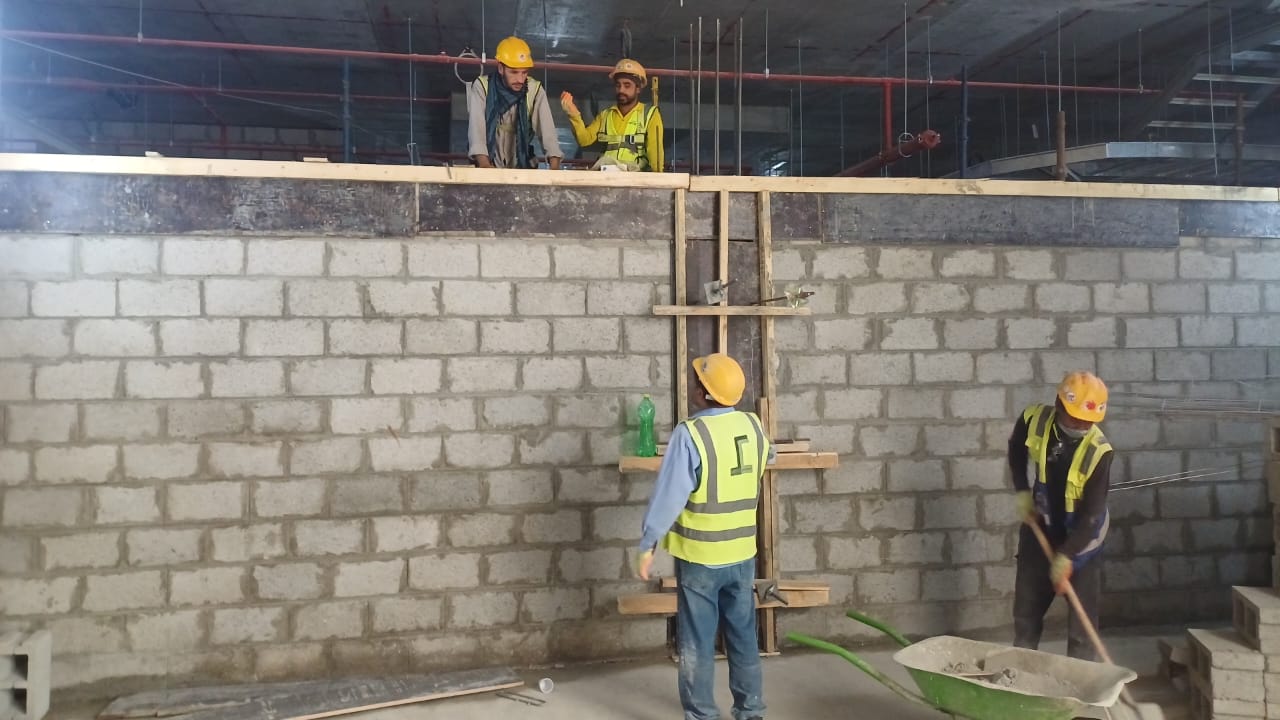
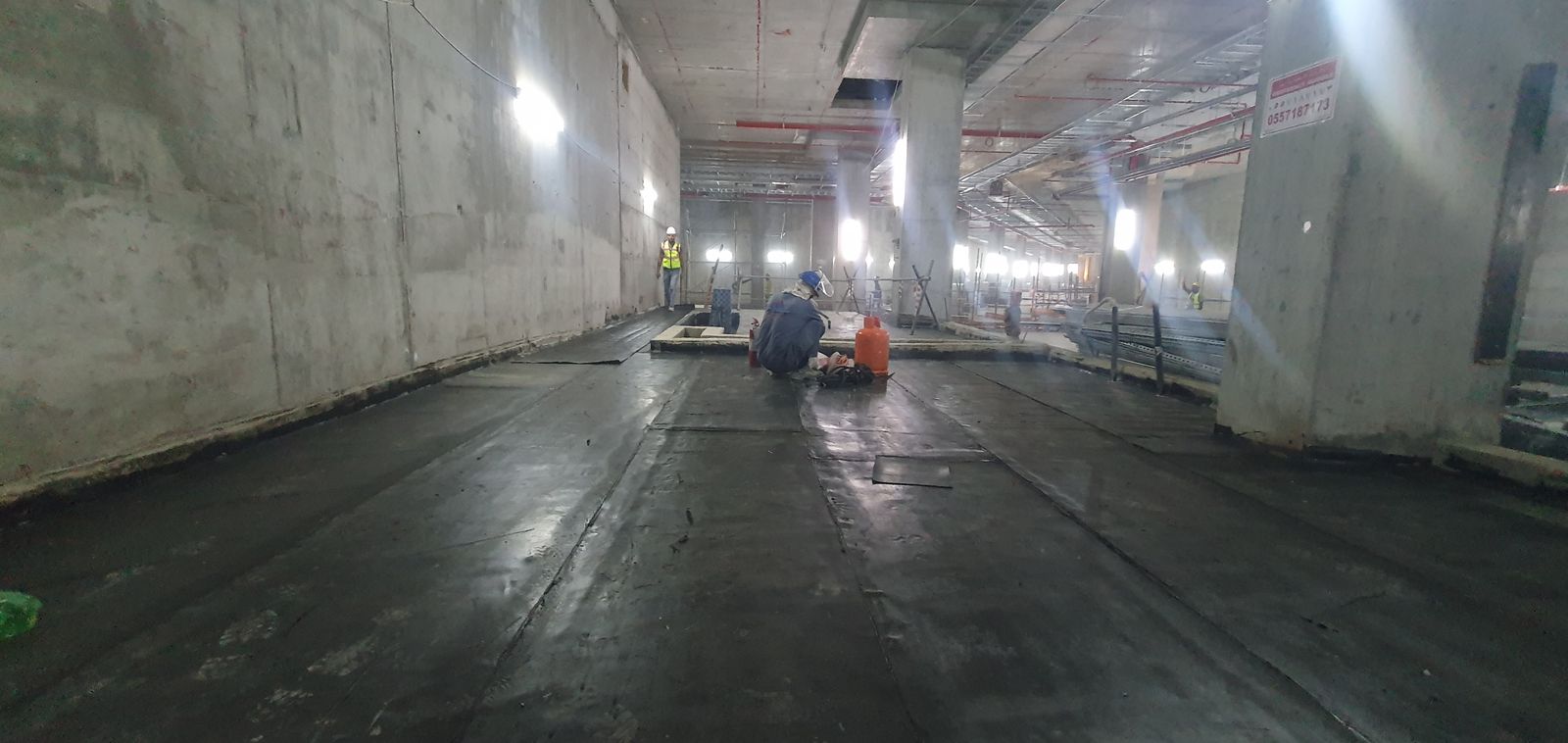
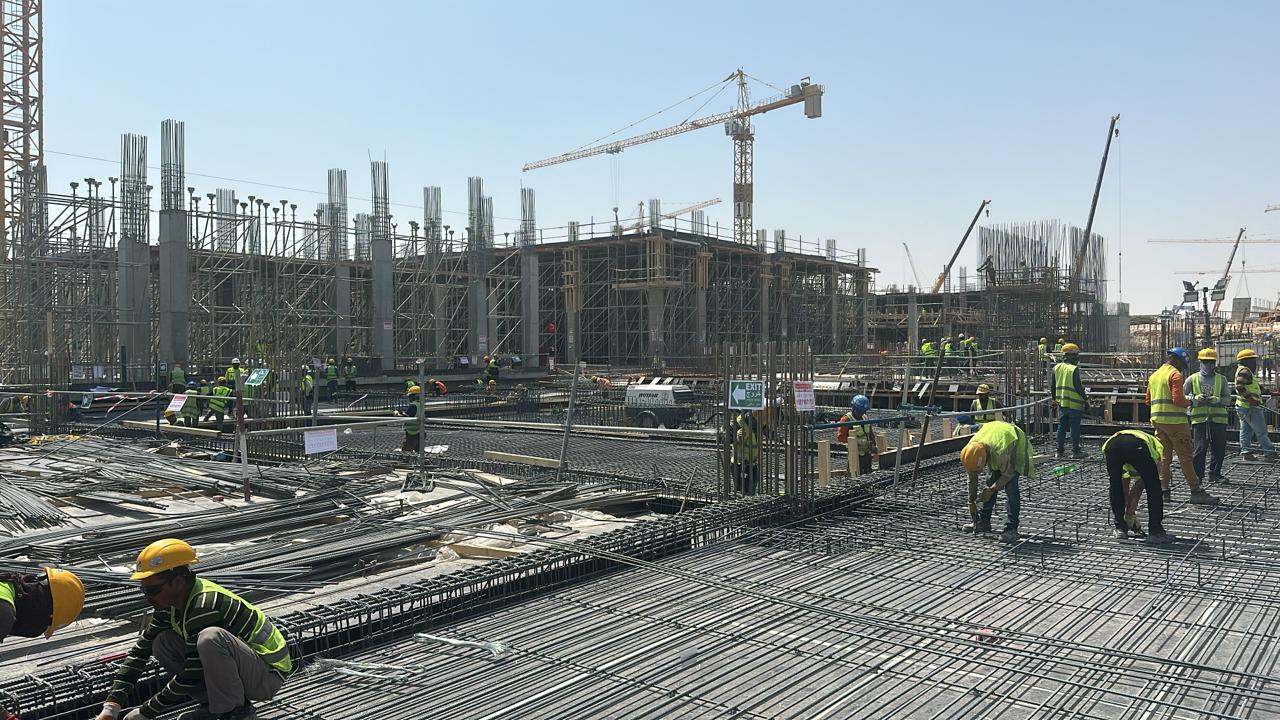
I contributed to Misk City, a multi-building non-profit campus in Riyadh delivered under demanding fast-track conditions. The development featured overlapping structural and architectural scopes across several zones. We executed concrete operations, masonry, and finishing packages simultaneously. This pace required tight management of subcontractor interfaces and constantly shifting field priorities. Preventing rework remained critical to protecting the schedule, as correcting field errors instantly threatens the critical path. Utilizing the project's Revit and Navisworks models allowed for the early visualization of spatial clashes, effectively expediting physical construction. Part of my responsibilities centered on driving the closure of WIRs and NCRs. This demanded extensive collaboration with dedicated QA/QC and safety departments to navigate complex quality documentation via Aconex, ensuring pending approvals across ITPs, MIRs, and safety permits were resolved to sustain project momentum. Additionally, serving as the primary link between the active site and the technical office facilitated the direct communication of physical constraints to architectural and structural design engineers. Monitoring drawing approval statuses and resolving Technical Queries with the consultant ensured continuous design alignment. Daily progress was systematically tracked through the ERP system and Excel dashboards, providing senior management with accurate, decision-grade visibility.
Quantified Outcomes
- Approx 7,000 m² masonry productivity logged
- Approx 1,000 m³ concrete works executed and closed
- 100+ inspection closures
- NCRs controlled and closed to compliance
Key Challenge & Resolution
The primary challenge involved managing logistics and resource allocation amidst constantly shifting priorities. Multiple zones simultaneously competed for the same subcontractor crews, limited materials, and heavy equipment, all while maintaining strict adherence to safety and schedule discipline. Consequently, incomplete tasks accumulated rapidly. When interface clashes or pending approvals stalled progress in a specific area, manpower was frequently redirected, leaving behind a trail of stalled Workfront's.
I was assigned to recover these delayed zones, which required a systematic approach to pinpoint exact bottlenecks, often included pending document approvals, supply chain shortages, and complex physical dependencies between overlapping trades. Addressing these constraints involved mapping out clear resolution sequences and driving every task to measurable completion prior to opening new sections. This recovery strategy was firmly rooted in an evidence-based methodology. Field constraints were rigorously documented, and viable alternatives were presented to site managers alongside time-boxed escalation protocols to ensure prompt, definitive resolution.
My Role vs. The Team
Operating across three distinct geographic zones, each overseen by a dedicated site manager, demanded intensive cross-functional coordination. This organizational structure required a continuous focus on aligning site logistics, balancing competing priorities, and resolving immediate field conflicts. Daily execution involved planning active Workfronts and directing subcontractor operations, supported by rigorous site inspections, precise quantity tracking, and comprehensive documentation. Whenever overlapping trades or pending approvals threatened to disrupt the schedule, functioning as the central integrator became essential to clear physical constraints and drive critical tasks toward final closure.