Role: Project Manager / Civil Site Engineer | Duration: Apr 2018 – Aug 2021
Project Value: SAR 2M
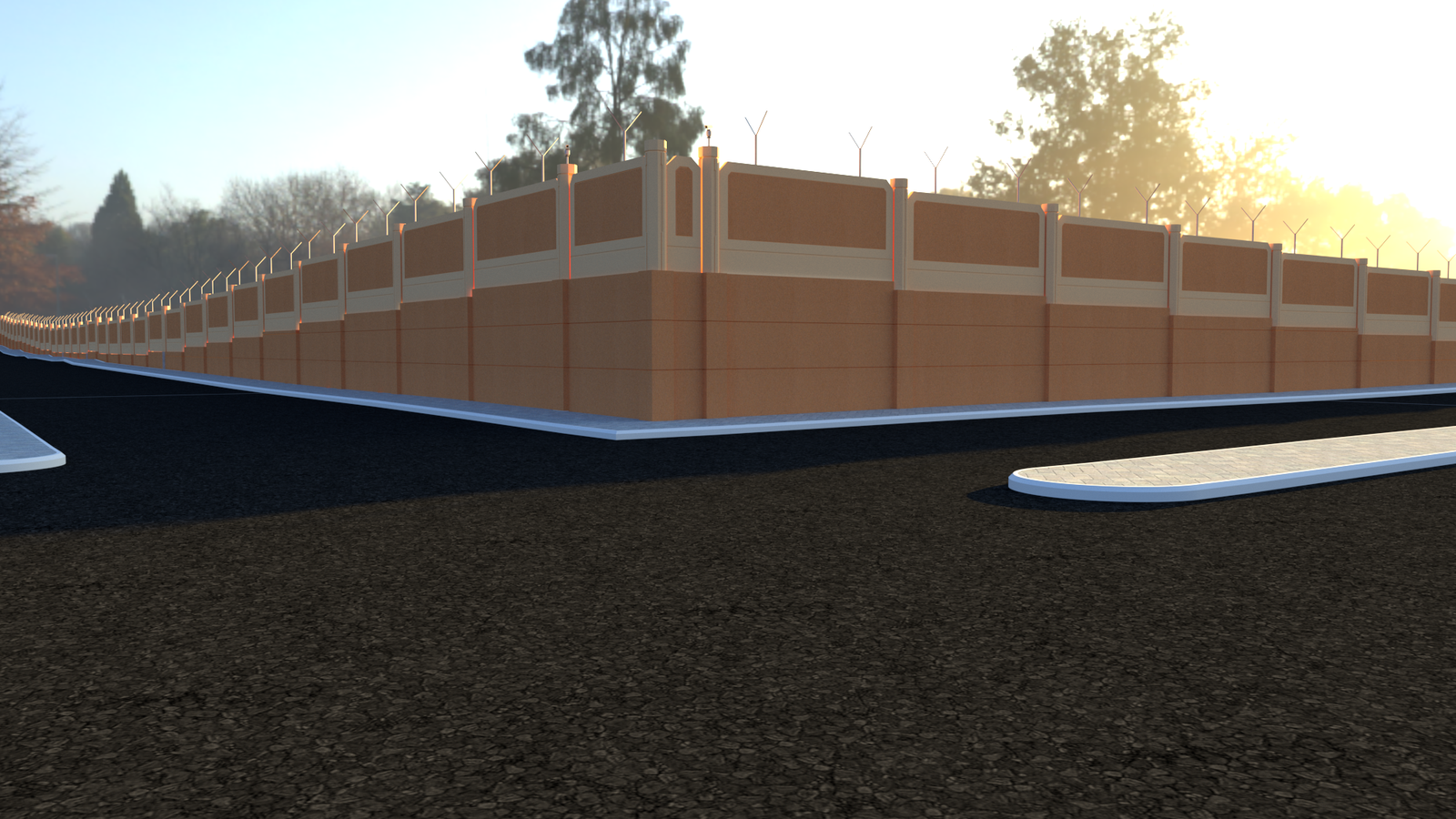
Executing a 3,200-metre perimeter fence at the KFNCCC campus demanded phased construction designed to maintain uninterrupted facility security throughout every stage. The scope encompassed 1,450 cubic meters of concrete for foundations and structural elements, 175 tons of steel, and the integration of 6 vehicular and 8 pedestrian access points, each requiring direct coordination with facility security operations and campus traffic management. Additionally, the project included a jogging track and irrigation scope within the campus perimeter. Standing at 3.5 metres in height, the fence was constructed to meet stringent security standards while preserving an aesthetic quality consistent with the facility's institutional profile.
Quantified Outcomes
- 3,200 m fence length
- 3.5 m height
- 1,450 m³ concrete
- 175 tons steel
- 6 vehicular access points
- 8 pedestrian access points
- Jogging track and irrigation scope included
- Phased handover maintaining continuous facility security
Key Challenge & Resolution
Sequencing a 3.2-kilometre linear construction programme around an operational healthcare facility without creating security gaps constituted the project's defining challenge. At no point could the campus perimeter remain unsecured, necessitating that every demolition-and-rebuild segment function as a self-contained phase with temporary security measures fully operational before any permanent fence section was dismantled. The integration of vehicular and pedestrian gates introduced additional complexity; access points had to remain functional or be temporarily rerouted during construction of adjacent sections. Addressing this required phased execution planning that treated security continuity as a non-negotiable constraint rather than a construction inconvenience, with each phase defined by the security handover condition, not merely by the concrete pour schedule.
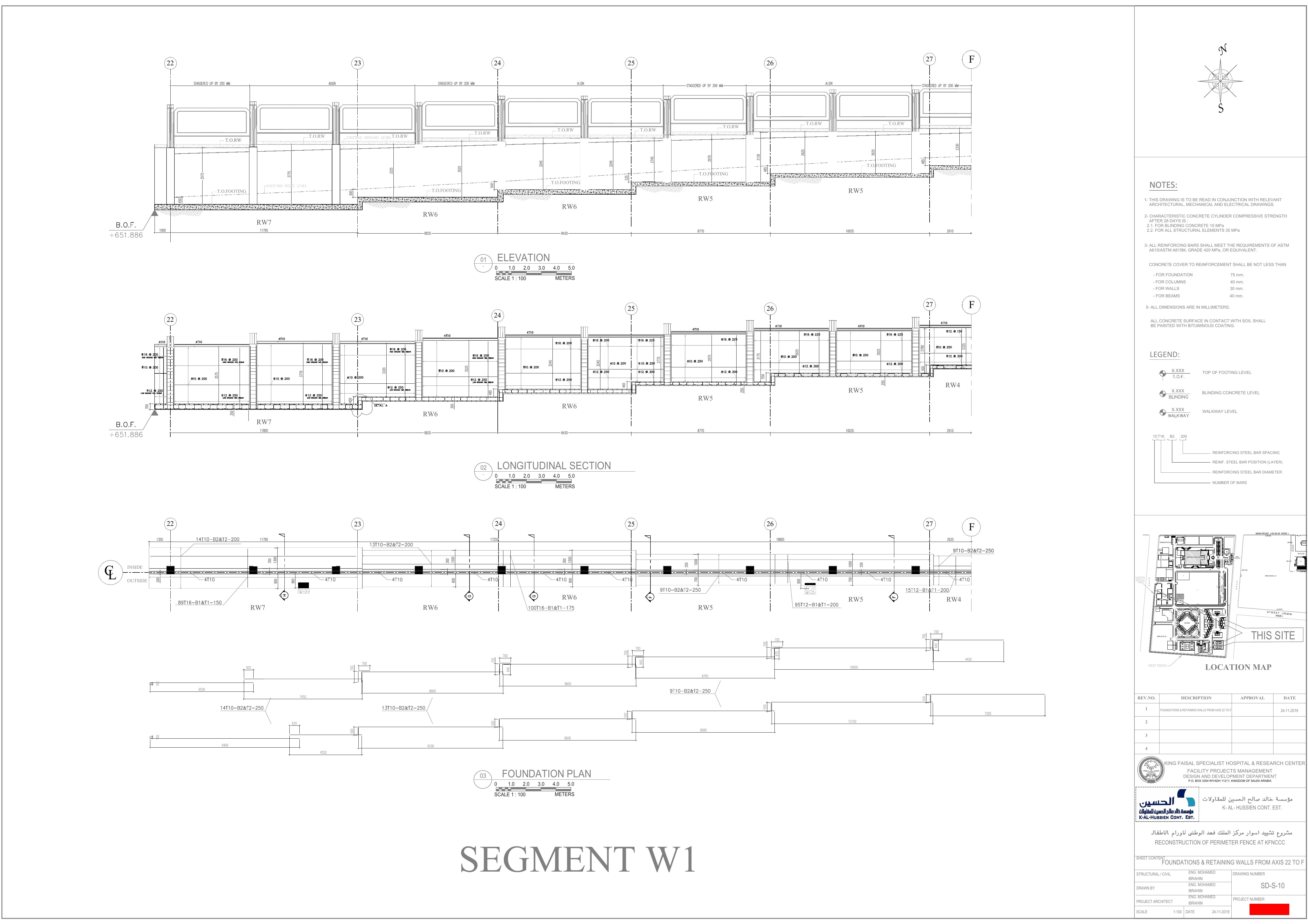
The structural phase encountered technical difficulties arising from significant elevation variances between the existing ground levels and adjacent roadways. Resolving these topographical discrepancies required the meticulous coordination of survey plans and continuous field readings.
My Role vs. The Team
Responsibilities encompassed estimating, quantity take-offs, daily reporting, material requests, productivity control, and subcontractor coordination across the full fence programme. Close partnership with survey and QA teams ensured accuracy at each stage, while direct coordination with facility security stakeholders governed the phased handover sequence from initial demolition through final commissioning.